
Art-Based Therapy
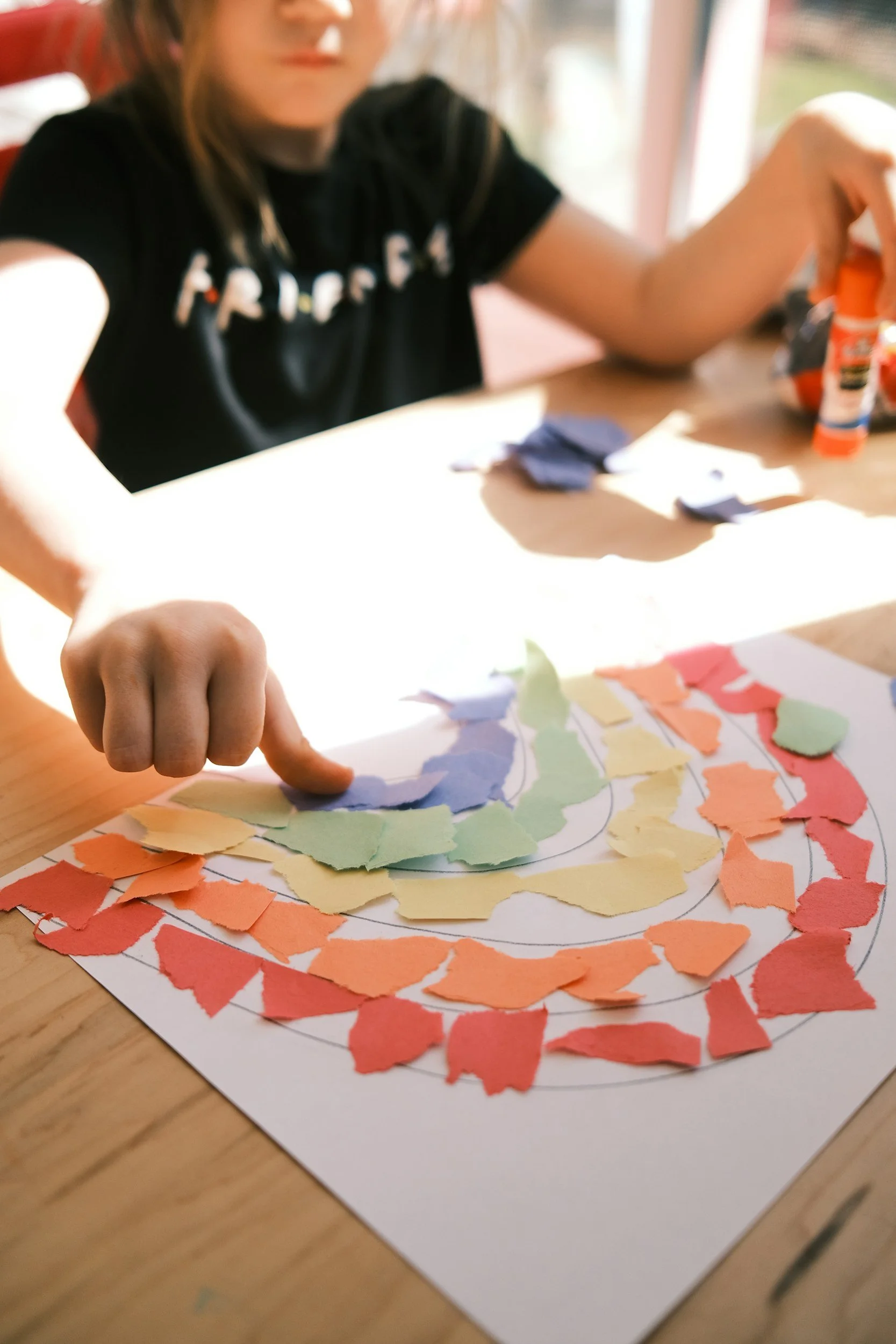
Art-based therapy offers a gentle way to explore emotions and experiences that can be difficult to put into words. Stress, trauma, and long periods of emotional strain often live in the body and nervous system, not just in thoughts.
In this work, we use simple creative processes like drawing, painting, coloring, and imagery to help slow the nervous system and bring awareness to what is happening beneath the surface. The focus is not on creating art or doing it correctly, but on noticing feelings, patterns, and responses in a way that feels safe and manageable.
For children, art provides a natural and developmentally appropriate way to express emotions. For adults, it can create clarity and emotional distance from overwhelming experiences, helping insight and regulation unfold more easily.
No artistic experience is needed. There is no right or wrong way to do this work. Many clients find art-based therapy reaches places that talk therapy alone has not, supporting a deeper sense of calm, connection, and self-understanding.

Internal Family Systems
IFS is a compassionate approach that views you as made up of many “parts”: protective parts that manage pain, and wounded parts carrying past hurts; all working hard to help you survive. Beneath them is Self, the steady, wise core of you that is capable of leading healing from within.
In therapy, we don’t push parts away or judge how you’ve coped. We get curious about their intentions, help them feel safe, and allow healing to unfold gently. Clients often describe IFS as finally feeling “more like myself” again.
This approach is especially helpful for those recovering from narcissistic or relational trauma, who may feel disconnected, confused, or unsure of their own needs. Instead of reliving memories, we focus on restoring inner safety and trust so you can move through life feeling more grounded, regulated, and whole.
The goal of IFS isn’t to change who you are, it’s to help every part of you feel heard and supported, so your true Self can lead the way forward.

Body-Based Therapy
Body-based therapy begins with a simple understanding: stress and trauma live in the nervous system, not just in thoughts. Experiences like fear, heartbreak, or long periods of emotional tension can show up as tight muscles, shallow breathing, constant alertness, or a sense of shutting down.
In this work, we slow things down and gently reconnect with the signals your body has been sending. Through somatic awareness, grounding practices, breathwork, and mindful movement, we help the nervous system shift out of survival mode and into a greater sense of safety and presence.
EFT, also known as tapping, is often integrated into this process. Tapping uses gentle pressure on specific points in the body while bringing awareness to emotions or stress. This sends calming signals to the brain, helping emotional intensity soften and interrupt patterns of anxiety, overwhelm, or self doubt.
Body-based therapy allows healing to happen without reliving past experiences. As the body begins to feel safer, emotions become more manageable, thoughts clearer, and self trust naturally strengthens. Many clients find this work helps things finally settle in a way talk therapy alone did not.

Couples/Co-parenting Counseling
Relationships rarely break in one moment. More often, they wear down over time when partners stop feeling understood, valued, or emotionally safe. My work with couples is grounded in Gottman Method Couples Therapy and offered in a calm, non judgmental space where both partners can slow down and feel heard.
We focus on patterns rather than blame, looking at how you communicate, respond to conflict, and stay emotionally connected during stress. The goal is to build stronger communication, emotional safety, and mutual understanding.
I also support couples healing from relational trauma or navigating narcissistic dynamics, with careful attention to trust, boundaries, and regulation. Co parents and blended families are supported in reducing conflict and creating healthier, child centered ways of working together.
The goal is not perfection, but connection, clarity, and a more steady, supportive relationship.